⚡ MENTOR 24/7 EMERGENCY COOLING RESTORATION DESK
Central Air Conditioner Running Non-Stop But Blowing Warm Air in Mentor?
Rapid Precision Diagnostics Along Mentor Ave, Center St, Hopkins Rd & Route 2 Corridors
⚡ 45-75 Min Lake County Arrival • Live Subcooling Calculations • Zero False Compressor Claims
Why Your Air Conditioner Blows Warm Air During Mentor Summers
When humid summer heat gathers along Lake Erie, residential cooling machinery in Mentor operates under intense latent moisture loads. Throughout coastal neighborhoods—including Old Mentor Village, Headlands Beach, Reynolds Road, Hopkins Road, and residential corridors along Mentor Avenue (US-20), Center Street (Route 615), and Route 2—dense lakefront air keeps dew points elevated above 72°F. In split-level and ranch homes, attic spaces heat up past 140°F, forcing thermal energy down into living areas while supply ducts routed through crawlspaces lose cooling capacity. In addition, coastal salt air, airborne sand from Headlands Beach, and heavy tree pollen settle across outdoor condenser coils. When humid air bakes these particulates between aluminum cooling fins, heat dissipation drops sharply. Under these demanding conditions, an air conditioning unit must maintain an exact boiling point inside the indoor copper evaporator coil to extract moisture while chilling the air. When supply grilles blow humid, room-temperature air while the outdoor unit runs constantly, the sealed refrigeration circuit has suffered an operational breakdown.
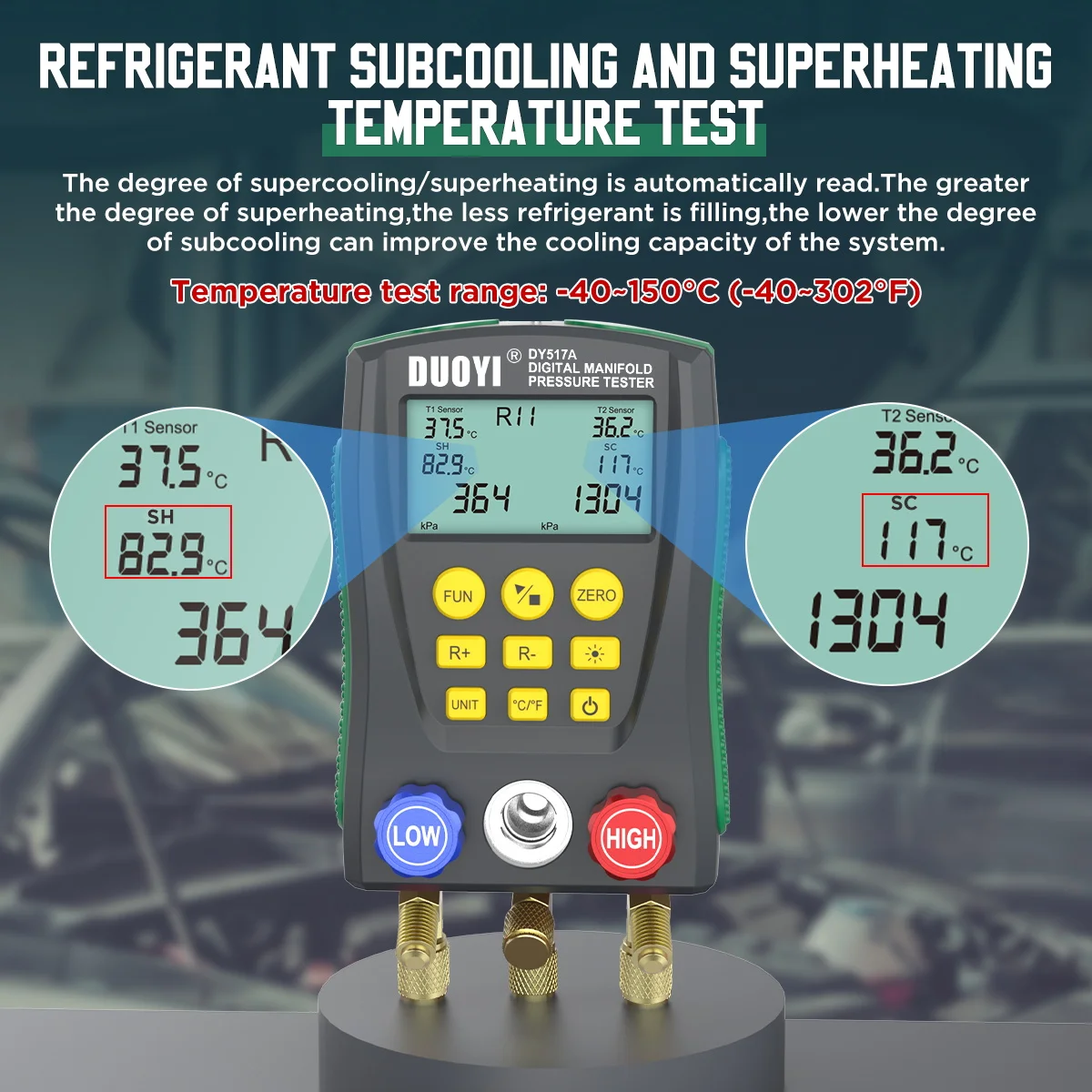
Instead of enduring stifling indoor temperatures or dealing with commissioned technicians who immediately try to sell a brand-new multi-ton system, you need a local technician who connects digital pressure manifolds, measures live superheat and subcooling metrics, and pinpoints the defective component. Our certified technicians patrol Mentor and Lake County around the clock to restore cold airflow quickly and reliably.
Primary Mechanical & Thermodynamic Failures Behind Warm Supply Air
When the indoor blower fan moves air through your ductwork but fails to lower indoor temperatures, certified technicians systematically evaluate four primary mechanical faults:
- Thermostatic Expansion Valve (TXV) Power Head Charge Loss: The TXV meters liquid refrigerant into the indoor evaporator coil based on temperature feedback from its copper sensing bulb. If vibration causes a pinhole fracture in the delicate capillary tube, the internal sensing charge vents into the atmosphere. The internal closing spring permanently shuts the metering port, starving the evaporator coil, plunging suction pressures, and causing rapid frost formation along the copper suction line.
- Outdoor Condenser Fin Clogging from Lake Moisture & Sand: Along the Headlands and Route 2 corridors, airborne sand, road grime, and pollen settle across outdoor condenser coils. Heavy coastal humidity packs this debris tightly between aluminum fins. High-side head pressures skyrocket past 425 PSI, forcing the compressor to overheat and trip its internal bimetallic thermal overload.
- Liquid Line Filter-Drier Pressure Restriction: If an internal desiccant core degrades inside the liquid line filter-drier, it forms a dense plug that creates a secondary restriction. Technicians identify this issue by measuring a temperature drop across the filter-drier body (exceeding 3.5°F) paired with abnormally elevated high-side discharge pressures and low suction pressures.
- Contactor Silver-Oxide Pitting & High-Voltage Drops: Frequent summer thunderstorm activity across The Illuminating Company (FirstEnergy) grid causes utility voltage surges that arc across outdoor 240V contactor points. Pitted silver terminals create high electrical resistance and substantial voltage drops. The compressor motor draws excessive running amperage until its internal bimetallic thermal overload disc snaps open, cutting off cooling while leaving the outdoor fan running.
⚠️ CRITICAL COMPRESSOR HAZARD: Shut Off the AC if Ice Appears on Pipes!
If you discover solid ice building along the copper suction line outside or visible frost encasing the indoor coil cabinet, switch your thermostat from “COOL” to “OFF” immediately!
An iced evaporator coil cannot boil refrigerant into a superheated vapor. Running the compressor under these iced conditions forces raw liquid refrigerant straight back into the compressor scroll chamber—causing liquid slugging that shatters internal scroll plates and permanently destroys the motor ($2,000+ repair). Keep the system off and request professional diagnostic dispatch.
Clear Diagnostic Standards & Upfront Component Pricing
Diagnosing closed refrigerant loops and compressor electrical circuits requires calibrated instrumentation. Our service protocol ensures transparent pricing from the moment we arrive:
- Comprehensive Cooling Diagnostic Fee: Standard testing across Mentor homes ranges between $79 and $119, covering complete electrical amp draws, subcooling calculations, and airflow verification.
- All-Inclusive Flat-Rate Component Quotes: Whether your repair requires rebuilding an electrical contactor, replacing a seized TXV, or performing electronic leak detection, you receive an exact quote before any work starts.
- Zero After-Hours Surcharges: We maintain the same clear flat-rate pricing regardless of whether your emergency happens on a holiday morning or late at night.
Primary Mentor Postal Delivery Zones Served
Our mobile cooling units operate continuously across these primary local postal zones:
- 44060 (Mentor Core, Hopkins Rd, Center St & Route 2 Corridor)
- 44061 (Mentor On The Lake & Lake Erie Shoreline)
- 44077 (Painesville Border & Grand River Basin)
Complete 24/7 HVAC Solutions in Mentor, OH:
Restore Cold Airflow Across Your Mentor Home
Speak directly with an AC diagnostic technician patrolling Lake County for fast, accurate service.
Frequently Asked Questions: AC Not Cooling in Mentor
Why does my air conditioner run non-stop while the house stays warm?
Non-stop operation without cooling is typically caused by two issues: a restricted return air filter starving the evaporator coil of airflow, or a slow refrigerant leak that prevents the coil from reaching its designed boiling temperature. In humid Lake Erie shoreline weather, an undercharged system runs constantly without removing humidity.
Can low refrigerant cause my indoor unit to freeze into a block of ice?
Yes. When refrigerant pressure drops due to a system leak, the evaporation saturation temperature falls below 32°F. Atmospheric humidity condensing on the aluminum fins freezes into solid frost, creating an insulating barrier that chokes airflow entirely.
How quickly can an emergency cooling technician arrive at my home in Mentor?
Because our service vans patrol primary regional routes including Mentor Avenue (US-20), Center Street (Route 615), and Route 2, our average arrival window is between 45 and 75 minutes from dispatch confirmation.