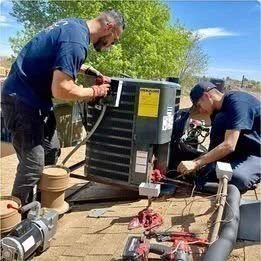
When summer temperatures soar, the last thing you want is to find a puddle of water pooling around your indoor air conditioning unit. While some condensation is normal during AC operation, water leaking inside your house is a sign that something is wrong.
Before you panic and call for expensive repairs, let’s look at the top 5 common reasons why your AC is leaking water inside, how to fix minor issues, and when it is time to call a professional HVAC technician.
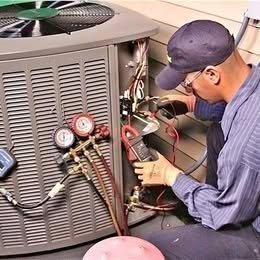
1. A Clogged Condensate Drain Line (The Most Common Culprit)
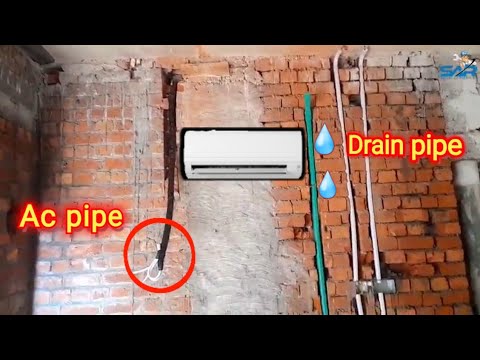
As your air conditioner cools your home, it naturally pulls moisture and humidity out of the air. This moisture turns into water droplets, which flow into a drain pan and travel outside through a condensate drain line.
The Problem: Over time, dust, dirt, algae, and mold can build up inside this narrow pipe, creating a blockage. When the water cannot escape outside, it backs up, overflows the drain pan, and leaks inside your house.
How to Check and Fix It: Locate the PVC drain pipe outside your home where the water is supposed to drain. You can use a wet/dry shop vacuum to clear out the clog from the outside end of the pipe. Regular maintenance helps prevent this buildup.
2. A Racked, Damaged, or Rusted Drain Pan
Beneath your indoor evaporator coils sits a drip pan designed to catch the normal condensation dripping off the coils.
The Problem: If your air conditioner is old, the metal drain pan can rust, crack, or corrode. In newer units, the pan might simply become misaligned or shift out of place. Once the pan is damaged or tilted, water will leak past it and drip down into your ceiling or walls.
How to Check and Fix It: Open the indoor unit’s access panel (if safe to do so) and inspect the pan with a flashlight. If you see cracks or rust holes, the pan will need to be sealed with waterproof sealant or replaced entirely by a technician.
- A Dirty Air Filter Restricting Airflow
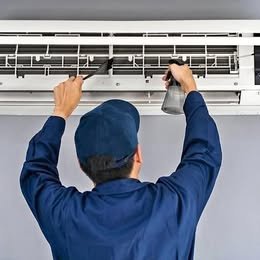
Your air filter keeps dust and debris away from the sensitive evaporator coils inside your system.
The Problem: When your air filter becomes completely clogged with dirt, airflow is severely restricted. Without enough warm air passing over them, the evaporator coils become freezing cold. Eventually, the ice melts quickly, producing much more water than the drain pan can handle, leading to an overflow.
How to Check and Fix It: Pull out your air filter and hold it up to the light. If you cannot see light passing through it, it is time for a replacement. Clean or replace your filter every 1 to 2 months.
Low Refrigerant Levels
Refrigerant is the chemical compound inside your AC that absorbs heat from your indoor air.
The Problem: If your system has a refrigerant leak, the pressure drops. This drop in pressure causes the temperature inside the evaporator coils to plummet, freezing any moisture on the coils. When the AC shuts off, the ice melts all at once, causing a massive overflow in the drain pan.
Signs to Look For: Along with water leaks, you might hear a hissing or bubbling sound, and your AC will start blowing warm air.
How to Fix It: Low refrigerant is not a DIY fix. You must call a licensed HVAC technician to find the leak, repair it, and recharge the refrigerant system.
. Broken or Disconnected Condensate Pump
If your air conditioning unit is installed in a basement or an attic where gravity cannot naturally pull the water outside, it uses a condensate pump to push the water upward and out of your home.
The Problem: If the pump breaks down, loses power, or has a disconnected internal switch, it will stop pumping water. The reservoir will fill up instantly and spill over.
How to Check and Fix It: Listen to see if the pump makes a humming noise when water fills it. If it remains dead silent, check the power plug. If it has power but still won’t pump, the unit needs to be replaced.
When to Call a Professional HVAC Technician?
While changing a dirty air filter or vacuuming a clogged drain line can easily be done on your own, other issues require professional help. You should call an expert immediately if:
You suspect a refrigerant leak.
The electrical components near the water leak look unsafe or exposed.
The leak is causing structural damage to your ceiling or drywall.
Regular maintenance and timely filter changes are the best ways to keep your home dry and your AC running smoothly all summer long!